Guides · August 30, 2026 · 11 min read
How to Increase Your Streaming Income on Whistlr Without Asking Viewers for More
Increase your streaming income on Whistlr without begging for Gems: schedule, Live Shopping timing, a focused Storefront, brand deals and per-stream data.
The most reliable way to increase your streaming income on Whistlr isn't a new feature or a harder sell. It's running the tools you already have, Gems, Live Shopping, your Storefront, Creator Studio scheduling and per-stream reporting, Flow and eventually brand partnerships, as one deliberate system. Streamers who earn steadily usually aren't using anything others can't. They're predictable, they let support follow genuine moments instead of repeated asks, and they check their own numbers before deciding what to change. This guide is about that system, piece by piece, and how the parts feed each other.
If you're brand new and want to know how Gems and payouts work mechanically, we've covered that elsewhere on Journey. This piece is for the streamer who already has the basics running and wants the income to grow month over month instead of spiking on a good night and flatlining the rest of the time.
What actually drives streaming income on Whistlr?
Almost all of it comes down to repeat behavior. Repeat viewers who send Gems more than once. Repeat shoppers who buy from your Storefront again. Repeat sponsors who renew instead of doing a single one-off deal. A great night helps, but repeat behavior is what makes income predictable, and each income source has its own levers.
| Income source | What grows it | What quietly shrinks it |
|---|---|---|
| Gems support | Specific, immediate recognition and goals tied to moments viewers want | Constant reminders that make support feel extracted |
| Live Shopping | Timing that grows out of the conversation and products you'd use anyway | Fixed-timer pitches that feel like ad breaks |
| Storefront sales | A narrow, curated catalog that matches your content | A broad catalog full of things you can't talk about honestly |
| Brand partnerships | A consistent schedule, real engagement and numbers you can show | Chasing deals before the evidence exists, or taking ones that don't fit |
| Audience growth via Flow | A clear reason for new viewers to follow you on Whistlr | Treating Flow as a fix for a stream that isn't working yet |
Notice that most of the right-hand column is about trust. Your audience's trust is the asset every income source draws from. Spend it carelessly in one place and the others feel it.
Why a predictable schedule increases your streaming income
The single highest-leverage decision you make isn't your game, your topic or your setup. It's whether people can predict when to show up. A streamer who goes live "whenever I get a chance" asks viewers to get lucky. A streamer who goes live Tuesday and Thursday evenings and Saturday afternoon lets their most engaged viewers build a habit around them, and habits are what turn a casual viewer into a regular supporter.
Creator Studio's scheduling tools exist to make that predictability visible before you go live. Publish your streaming windows in advance instead of announcing a stream an hour beforehand and hoping the right people are online.
How to reset an inconsistent schedule
- Pick a cadence you can actually hold. Two solid, predictable streams a week beats five unpredictable ones.
- Anchor it to specific days and times rather than vague windows.
- Publish it through Creator Studio's scheduling tools so viewers can plan around it.
- Hold it for at least a month before judging it. Audiences need time to learn a schedule.
- Show up on low-energy days too. Consistency is what you're building, and skipped streams teach viewers not to count on you.
Consistency compounds in a way that's easy to underestimate. An audience that knows your format and your rhythm arrives warmed up. They know roughly when a Live Shopping moment might happen and what kind of energy to expect. That familiarity makes everything else in this guide work better.
How to get more Gems support without asking for it
The instinct many newer streamers have is to ask for Gems often: reminders every few minutes, a goal called out over and over, a stream that starts to feel like a telethon. It tends to backfire. Viewers can tell when support is being extracted, and repeated asks train them to tune the ask out.
Think of Gems as the tip someone leaves a bartender who has been great all night, not a cover charge collected at the door. The less transactional it feels, the more often it happens. In practice:
- Recognize support by name, in the moment. Specific, immediate thanks tells a viewer their support mattered. A generic thank-you at the end doesn't.
- Tie goals to something the audience wants. A goal that opens up a challenge, a reveal or a segment people have been asking for pulls support naturally. A goal that's just a number asks viewers to care about your bookkeeping.
- Let your regulars set the tone. Thanking consistent supporters across multiple streams shows newcomers that support is normal and appreciated here.
- Mention Gems once, clearly. Say it near the start or in a natural lull, then move on.
- Make the stream worth supporting first. No amount of prompting fixes a stream that isn't engaging.
The streamers with the steadiest Gems income are rarely the ones asking the most. They've made their stream a place people want to be, and then made it easy and satisfying to show that in the moment.
— The Creator Studio team
When should you run a Live Shopping moment?
Live Shopping puts a product in front of your audience when their attention and trust are highest. That same power makes it easy to misuse. Dropped in awkwardly, it reads as an interruption. Grown out of the conversation, it reads as a recommendation from someone the audience already trusts. Three things make the difference.
Timing
The best moments connect to something already happening: a product comes up naturally, a viewer asks about something you're wearing or using, a segment leads into a demo. Planning a Live Shopping moment ahead of time is fine and often smart. Just leave room to launch one when the stream hands you the opening, rather than firing it on a fixed timer regardless of context.
Product selection
Feature things you'd use or recommend even if you weren't streaming. Audiences can tell the difference between a creator who's excited about something and one reading a script.
How you talk about it
Talk about the product the way you'd describe it to a friend: what you like, what it's good for, why you picked it. Thirty honest seconds usually beat an extended pitch and keep the moment feeling like part of the show.
How to build a Storefront that grows your streaming income
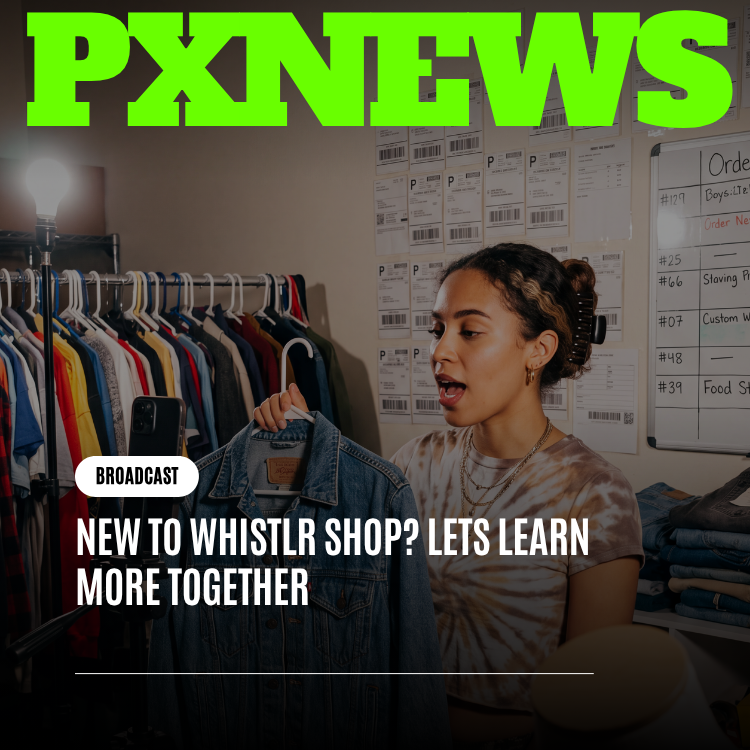
A Storefront works best as an extension of your content, not a separate shop bolted onto your profile. Think of a streamer who builds custom keyboards at 11pm while chatting with regulars. Their best-selling items won't be random gadgets. They'll be the switches and keycaps viewers watched them use on stream.
- Start narrow. Gear you use on stream, merch tied to running bits, and products in your content's category convert better than a general store, because your audience already has context for each item.
- Keep it visible, not central. Curious viewers will find it. Let it surface through Live Shopping moments and natural mentions rather than turning streams into tours.
- Let it evolve with your community. Items that reference a recurring moment or an inside joke from your streams mean something only to people who watch you, which is exactly why they sell and why they deepen loyalty.
A smaller Storefront you can speak to convincingly will outperform a big catalog padded with items you don't care about. Every product should be something you could talk about on stream without notes.
How to use per-stream reports to increase your streaming income
Every broadcast produces its own financial summary: Gems activity, Live Shopping performance and how that stream compared with your typical one. It's one of the most underused tools streamers have, because it answers the question that matters: what worked, and what didn't?
Treat your schedule as an ongoing experiment. Most streamers have a gut feeling about which nights went well. Per-stream reporting lets you replace the feeling with an answer.
- Change one variable at a time: start time, a new segment, where a Live Shopping moment falls, or how you frame a Gems goal.
- Stream as normal and resist changing anything else.
- Open the per-stream report afterward and compare it with your typical stream.
- Repeat over several streams before drawing conclusions. One great night can be an outlier, like a raid or a topic that happened to catch on.
- When a pattern holds across multiple reports, build around it deliberately.
The last step is where many streamers stumble. Once something works, the instinct is to move on to the next idea, on the assumption that audiences crave novelty. Your reports will often show the opposite: a format that's working benefits more from repetition and refinement than from replacement.
When are you ready for brand partnerships?
Brand deals are the income source most streamers want earliest and are least ready for early. Brands are looking for evidence of a real, consistent audience relationship, not a follower count on its own. Chasing deals before that evidence exists usually produces weak deals or none.
The good news: everything above is what builds that evidence. You're likely ready when you can honestly tick these boxes:
- You've held a published schedule for a meaningful stretch.
- Your Gems engagement is genuine and steady, not spiking only when you push.
- Your Storefront has a real sales track record.
- Your per-stream reports tell a consistent story you can show rather than describe.
When you get there, hold partnerships to the same standard as Live Shopping. Say yes to partners whose products fit your content and audience, and no to the ones that don't. A partnership that feels like a stretch spends the trust a brand is paying to borrow. Fewer partnerships that genuinely fit will earn more over time than many that don't.
Loyalty versus spikes: what really pays over time
Viral clips, surprise collaborations and record nights are genuinely valuable. They just aren't a strategy. Building your approach around chasing them leaves income unpredictable and relationships shallow.
A smaller, loyal audience that shows up every week will usually out-earn a larger one that appears only when something's trending, because loyalty is what produces repeat Gems support, repeat Storefront purchases and the steady numbers that make brand partnerships possible. Loyalty gets built the ordinary way: show up on schedule, recognize regulars by name again and again, and follow through on what you say on stream, whether that's a promised segment, a community goal or a product you said you'd add.
When a spike does happen, the job is conversion. A flood of new viewers who never return adds little. The same flood, with a clear schedule, a welcoming community and an obvious reason to come back, can permanently raise the size of your loyal base.
How to use Flow to reach viewers who aren't looking for you yet
Everything so far assumes people already know to find you on Whistlr. Flow solves the earlier problem. It lets you stream to Whistlr and other platforms at the same time from a single broadcast, so one stream's worth of effort reaches viewers wherever they already spend time.
Use it as a discovery tool, not a replacement for your Whistlr audience. The goal is to introduce new viewers and give them a clear reason to follow you on Whistlr directly, where the fuller experience lives: your Storefront, Live Shopping, your Gems community and your published schedule. A simple mention that you're live everywhere but the full experience is on Whistlr is usually enough.
Flow amplifies a stream that's already working on its fundamentals. It can't rescue one that isn't. Get your schedule, engagement and product choices right first, then let Flow put more people in front of them.
Putting the system together
Each part makes the next one stronger. A published schedule builds the audience that makes low-pressure Gems engagement work. That trusting audience is who a well-timed Live Shopping moment converts best with. A Storefront that matches your content turns viewers into repeat buyers. Per-stream reports tell you which of those pieces are working so you can do more of them on purpose. Sustained over months, all of it makes a brand conversation easy instead of a hard sell, and Flow brings more people into a system that already works.
The tools already exist. Growing your income is mostly about running them with intention, checking your own results instead of assuming, and giving consistency enough time to compound.
— The Whistlr product team
Frequently asked questions
What's the fastest way to increase my streaming income on Whistlr?
There's rarely a single fast trick. The most dependable lever is a predictable, published schedule, because nearly all streaming income depends on repeat behavior: returning viewers, repeat Storefront buyers and renewing sponsors. Pair that with genuine Gems recognition and well-timed Live Shopping, then use per-stream reports to see which changes actually moved your numbers.
How do I get more Gems without constantly asking viewers?
Make support a response to the stream rather than a standalone request. Thank supporters by name in the moment, tie goals to something viewers want to see, highlight your regulars across streams, and mention Gems once clearly instead of on a loop. Most of all, make the stream engaging enough that viewers want to show appreciation on their own.
How often should I run Live Shopping during a stream?
There's no fixed number that suits everyone, but running one on every broadcast on a rigid timer tends to make it feel like an ad break. Live Shopping works best when it grows out of what's happening on stream, such as a viewer asking about a product, and features things you'd genuinely recommend. For most streamers that means occasional and well placed.
When should I start looking for brand deals as a Whistlr streamer?
Once you have evidence a brand can see: a schedule you've held for a while, steady Gems engagement, a Storefront with a real sales track record and per-stream reports that tell a consistent story. Brands look for reliability and audience trust, not just size. Build that foundation first, then choose partners whose products truly fit your content.
Does Flow help me earn more on Whistlr?
Indirectly, yes. Flow streams to Whistlr and other platforms at once, putting your broadcast in front of viewers who haven't found you yet. More viewers means more chances for Live Shopping and Gems moments to land. The key is giving new viewers a clear reason to follow you on Whistlr, where your Storefront, Gems community and schedule live.