Product · June 12, 2026 · 9 min read
Going Live on Whistlr Is Now a Single Tap — Here Is Why That Took So Long to Get Right
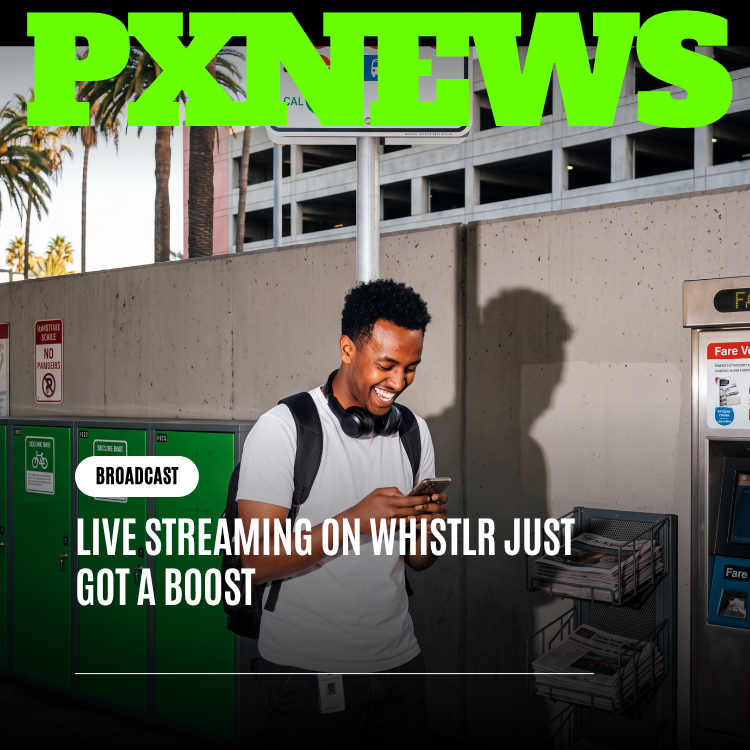
The setup checklist before your stream was the real problem, not stream quality. Whistlr just cut it to one tap from wherever you are in the app.
There's a specific moment every streamer knows: something happens — you win a match on the last possible play, a song comes on that you have to react to, a friend says something that would make for a genuinely good ten minutes of content — and the thought "I should go live right now" shows up. Then, historically, a checklist showed up right behind it. Find the right screen. Confirm your title. Check your settings are still what you want. Hit start. By the time all of that was done, the moment that made you want to go live in the first place had usually already passed.
We looked hard at that gap and concluded the real problem with live streaming was never quality. It was hesitation. So we shortened the distance between the impulse and the broadcast until it was basically gone.
The real threat to live streaming was never production value
It's tempting to assume the thing standing between a casual user and a habitual streamer is skill — a better camera, a cleaner setup, more confidence on camera. Skill matters eventually. But it's not what determines whether someone streams at all. What determines that is whether the five seconds after "I should go live" are frictionless or annoying.
Friction doesn't announce itself as a dealbreaker. It's rarely one big obstacle — it's a handful of small ones stacked together: hunting for the right menu, re-confirming settings you set correctly last time, waiting for a screen to load before you can even start typing a title. None of that is hard. All of it is enough to make someone think "I'll just post about it later instead," which is exactly the outcome that kills spontaneous streaming. The moment passes, the impulse fades, and the stream never happens.
What friction actually filters out
Here's the part that's easy to miss: setup friction doesn't reduce streaming evenly. It doesn't make big, planned, scheduled broadcasts slightly less likely and small spontaneous ones slightly less likely too. It wipes out almost all of the small spontaneous ones while barely touching the big scheduled ones, because a scheduled event was already worth the setup cost to whoever planned it. A five-minute reaction stream was never going to survive a five-step checklist. Only the events people had already decided were worth the friction made it through — which quietly reshapes what "live streaming" even means on a platform, from something people fall into on a whim to something they have to plan around, whether they intended that shift or not.
A five-minute stream that almost never happened
Picture the ordinary version of this: someone's dog does something ridiculous in the living room at 9:40 on a random Tuesday. The thought "this would be funny to go live for" lasts about as long as the dog keeps doing the thing — a few seconds, maybe fifteen if it's a good bit. In the old flow, by the time a menu loaded, a title got typed, and a settings screen got confirmed, the dog had stopped, the moment had passed, and the whole idea quietly evaporated into "eh, never mind." Nobody consciously decided not to stream. The setup simply outlasted the moment. That's the entire cost of friction in one small, completely ordinary scene, repeated across a platform's whole user base every single day — a cost that never shows up in any report, because a stream that never starts leaves no trace anywhere to measure.
What changed: one tap, from wherever you already are
The fix wasn't about what happens once you're live — the actual broadcast experience, the chat, the Gems, all of that stayed exactly as capable as it already was. The fix was entirely about everything before the broadcast starts.
- Going live is now one tap, not a checklist. No confirmation screen stacked on another confirmation screen before the camera turns on.
- You can go live from wherever you already are in the app, instead of having to navigate to a dedicated menu first. The feature comes to you rather than making you go find it.
- Your last settings carry forward by default, so you're not re-entering the same title, category, or preferences you already set the last time you streamed.
- None of this removes the option to plan ahead. If you want to schedule a stream, promote it, and treat it like an event, that path is still there in full — one tap just means you're no longer forced down it for a five-minute reaction stream.
From event you plan for to habit you fall into
The bigger shift here is behavioral, not technical. When going live requires setup, streaming behaves like an event — something you build up to, announce, and treat as a bigger deal than a normal moment in your day. That's a fine way to stream, and plenty of great content still comes from planned broadcasts. But it's not the only way people actually want to stream, and for a lot of would-be streamers, it was the only way the product let them.
When going live takes one tap, streaming starts behaving more like a habit — something that fits into a moment instead of requiring you to build a moment around it. You don't need to have decided, an hour in advance, that today was a streaming day. You just need something worth reacting to and a phone already in your hand.
The best stream I've done all month wasn't one I planned. Something funny happened and I was live in about two seconds, before I even had time to talk myself out of it.
— Whistlr streamer, paraphrased from early feedback
Why this matters for anyone thinking about starting
This shift matters most for people who haven't started streaming yet, more than it matters for people who already have. An established streamer with a following has already built the habit and already tolerates a bit of setup friction because they've decided it's worth it. Someone who has never gone live before hasn't decided anything yet — they're testing the water with the lowest possible level of commitment, and if that first attempt is annoying, there often isn't a second attempt.
Combined with the rest of how Whistlr Live Studio is built — no follower minimum to go live, no requirement to prove yourself before Gems become available, a free Whistlr ID as the only real prerequisite — a one-tap start removes what was probably the last meaningful piece of friction left in the very first step. You can now go from "I should try this" to actually live faster than you could read a paragraph explaining how to do it.
The takeaway
Live streaming was never held back by camera quality, editing skill, or charisma — plenty of people have all three and still never went live, because going live was a chore before it was ever a broadcast. Whistlr Live Studio's answer is to stop treating the setup as inevitable. One tap, from wherever you are, with your settings already remembered, and the option to plan a bigger event still fully intact whenever you actually want one. The five seconds between the impulse and the stream were always the real obstacle. They're basically gone now.
Frequently asked questions
How do I go live on Whistlr?
Going live on Whistlr is now a single tap from wherever you already are in the app. You no longer need to navigate to a dedicated menu or click through stacked confirmation screens before the camera turns on. Your last settings, including title, category, and preferences, carry forward by default, so you are not re-entering them every time you stream.
Why did Whistlr make going live a single tap?
Whistlr concluded that the real obstacle to live streaming was hesitation, not production quality. A setup checklist of finding the right screen, confirming a title, and checking settings often outlasted the moment that made someone want to go live. That friction wiped out small, spontaneous streams while barely affecting planned ones, so Whistlr cut the distance between the impulse and the broadcast to one tap.
Do I need followers to go live on Whistlr Live Studio?
No. Whistlr Live Studio has no follower minimum to go live, and a free Whistlr ID is the only real prerequisite. Combined with the one-tap start, that means someone who has never streamed before can go from deciding to try it to actually being live in a few seconds, without building an audience first.
Can I still schedule a stream on Whistlr?
Yes. The one-tap option does not remove the ability to plan ahead on Whistlr. If you want to schedule a stream, promote it, and treat it like an event, that path is still fully available. One tap simply means you are no longer forced through a planning flow when all you want is a quick five-minute reaction stream.