Guides · September 17, 2026 · 10 min read
How Lack of Sleep Affects Work Performance, and Why Last Night's To-Do List Is Part of It
How lack of sleep affects work performance: focus, decisions and patience slip first. A day-after survival plan, plus how to close the workday before bed.
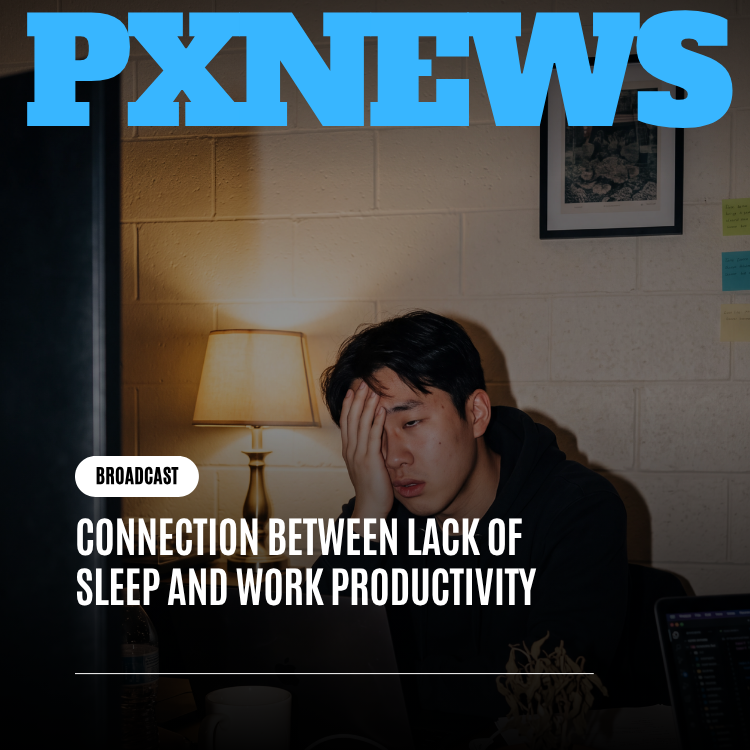
Lack of sleep affects work performance mainly through three things: focus, decision-making and mood. After a short or restless night, most people find it harder to stay on a task, slower to make calls they'd normally make in seconds, and quicker to get irritated by small things. None of that is controversial. It's one of the most widely recognized links in everyday life, and almost everyone has lived through a version of it. What gets less attention is the other direction of the loop: how unfinished work follows you to bed and keeps you awake in the first place. This guide covers both. It walks through what a sleep-deprived workday tends to look like, how to get through one, and how to close out your workday before sleep so tomorrow doesn't start already behind.
We'll keep this grounded. There are no statistics below and no named studies, just the common-sense picture most working adults will recognize, plus practical steps. If your sleep problems are persistent or severe, skip to the section near the end about when to see a doctor.
How lack of sleep affects work performance, hour by hour
It can help to picture a specific day. Say you're a project coordinator who slept maybe four hours after lying awake replaying a client call. Here's roughly how the day tends to go.
| Time | What it tends to feel like | What it looks like to your team |
|---|---|---|
| 9:00 a.m. | Foggy, reading the same email twice | Slow replies, a few missed details |
| 11:00 a.m. | Hard to start anything that needs fresh thinking | Lots of small tasks done, the big one untouched |
| 1:30 p.m. | A heavy dip, attention wandering mid-meeting | Asking someone to repeat what they just said |
| 3:30 p.m. | Short on patience, small requests feel like impositions | A curt message you'll wish you'd reworded |
| 6:00 p.m. | Tired but oddly wired, mind still on work | Late emails, loose ends left for tomorrow |
Nothing in that table is dramatic. Nobody falls asleep at their desk. That's exactly why the connection is so easy to miss in the moment and so obvious in hindsight: a bad night rarely announces itself. It shows up sideways, as a slightly worse version of an ordinary day, and the cost gets blamed on the inbox, the meeting load or a difficult coworker.
Why focus is the first thing to go after a bad night
Ask people what they notice first after a rough night and concentration usually tops the list. It feels like mental static. You lose the thread of a conversation halfway through a sentence. You realize twenty minutes into a task that you've been looking at it rather than doing it.
The reason focus takes the earliest hit is that sustained attention is effortful in a way routine tasks aren't. You can get through familiar, repetitive work on autopilot even when you're running low. The moment something needs genuinely fresh thinking, like writing from a blank page, untangling a disagreement or learning a new tool, the missing reserve shows up immediately. People often describe it as wading through mud: the thinking still happens, it just costs far more effort than it should.
Knowledge work leans heavily on exactly these faculties: holding several things in your head at once, staying with a hard problem, weighing considerations before you speak. That's a big part of why a single short night can make a desk job feel so much harder than its actual workload.
Decision-making on short sleep: why you reach for shortcuts
Small decisions that are normally automatic start to feel heavy after a bad night. What to tackle first. How to phrase a tricky message. Whether to speak up in a meeting or let it go. Under-rested people tend to lean on defaults and shortcuts rather than carefully weighing options, simply because careful weighing takes energy that isn't fully there.
Sometimes that's harmless. Picking the usual lunch spot is fine. But it can also mean agreeing to a deadline you'd normally push back on, approving something you'd normally review closely, or avoiding a conversation that needed to happen. If you know you're running on empty, it's worth flagging any decision that's hard to undo and, where you can, giving it another look the next day.
How lack of sleep affects work performance through mood
If focus slips first, mood is close behind. A shorter fuse, less tolerance for small annoyances and a tendency to read neutral messages as slightly negative are all familiar parts of a tired workday. Most of us have snapped at someone over something trivial and realized later the real cause was exhaustion, not the trivial thing.
This matters at work because so much of a job runs on emotional steadiness as much as skill. Giving feedback well, sitting through a tense meeting, staying patient with a frustrating client or just being pleasant to a teammate on a hard day all draw on the same reserve a good night tends to restore. A café manager short on sleep might handle the morning rush fine and then lose patience with a new hire over a minor mistake. A streamer might shrug off a troll on a rested night and take it personally on a tired one.
It also runs both ways. A draining day makes it harder to wind down and sleep, and a poor night makes the next day feel more draining even if the workload is identical. Interrupting that loop anywhere helps, and the bedtime end of it is often the easiest place to start.
Getting through the workday after a bad night
Sometimes you can't fix the night. You just have to get through the day. These are general, practical approaches that a lot of people find useful:
- Front-load the hardest thinking. Many people find they're sharpest earlier in the day after a bad night, so put demanding work there if you can.
- Shrink your list. Pick one or two things that genuinely need to happen today and let the rest be a bonus.
- Write everything down. Working memory is one of the first things to feel shaky, so don't trust yourself to remember a request.
- Reread before you send. Give any sensitive email or message a second pass, and wait a few minutes before replying to anything that annoyed you.
- Defer big, irreversible calls where possible. Tell people you'd like to confirm tomorrow.
- Take short breaks away from the screen. A brief walk often helps reset a wandering mind more than pushing through.
- Be honest with your team if it's appropriate. "I slept badly, so tell me if I miss something" is usually received well.
None of these will make a bad night disappear. They just reduce the damage and stop one rough day from creating extra problems for the next one.
Racing thoughts at bedtime: why work follows you to bed
Here's the part of the sleep-and-work connection people talk about least. A lot of bad nights start with work in the first place. The lights go out, the day's distractions finally stop, and suddenly your mind has the floor to itself. That's when the unanswered email, the awkward comment in a meeting and tomorrow's presentation all show up at once.
This is one of the most universally recognized barriers to falling asleep, and it happens to organized and scattered people alike. During the day there's almost always something demanding your attention, which crowds out the quieter worries underneath. At night that competition disappears. The familiar culprits:
- Unfinished tasks and decisions that were never formally put down.
- Replaying a tense conversation long after there's anything useful to do about it.
- Rehearsing tomorrow's meeting or deadline before it needs rehearsing.
- General background worry that only surfaces once it finally has room.
- Scrolling right up to lights-out, which tends to leave the mind more stimulated rather than less.
The trouble is that bedtime is a strange place for all this thinking to happen. Your body is trying to wind down at the exact moment your mind decides to hold a planning session. Racing thoughts and falling asleep end up competing for the same narrow window, and the thoughts usually win for a while.
How to close out the workday before you go to sleep
The most useful habit here is giving work a defined ending, so it doesn't sneak into bed with you. A consistent wind-down routine is one of the most widely recommended, common-sense habits for easier sleep, and a work shutdown fits neatly inside it. Here's a version you can try:
- At the end of your working day, write down tomorrow's top one to three tasks. Once they're on paper, your brain doesn't need to keep rehearsing them.
- List any open loops: replies you owe, decisions you're waiting on, things you forgot. Just capture them.
- Close the laptop and, if you can, keep work notifications off for the evening.
- In the hour before bed, lower the lights and step back from fast-moving feeds.
- Right before sleep, do a short brain dump of whatever is still on your mind, out loud or in writing. Name the worry, even if you can't solve it.
- Try to keep your bedtime and wake time roughly consistent most days, so your body has a predictable rhythm to settle into.
That fifth step gets overlooked most and often makes the biggest difference. People who journal, or who simply talk something through before bed, frequently say it's the habit that helps most. Putting a thought into words seems to loosen its grip even when the underlying problem stays unsolved. The problem is still there in the morning. It just stops taking up the whole room at midnight.
Where in.between fits into a work-night wind-down
That brain-dump step is the gap we built in.between to fill. It's ETAPX's AI-powered sleep and reflection journal: each night you spend a few minutes talking, by voice or by text, with Nalani, an AI companion designed to listen more than it talks. The principle is the same as any bedtime journaling habit. The format is what makes it easier to keep.
A blank page doesn't ask a follow-up question, and it doesn't notice that you've brought up the same deadline three nights in a row. Nalani does, gently, without turning it into a big deal. If work stress is what keeps you up, having somewhere responsive to put it can make the habit stick past the first week, which is where most journaling attempts quietly fade. Over time, in.between can also reflect small patterns back to you, like a stretch of harder weeks or a theme that keeps resurfacing.
What people don't always have is somewhere to put the thoughts that are keeping them up in the first place. That's the gap we wanted to close: not a sleep hack, just a quiet place to think it through.
— The in.between team
We want to be clear that this isn't a productivity tool, and we didn't design it to squeeze more output out of anyone. The goal is smaller and more human: give your unfinished business somewhere to go before you try to sleep, on the common-sense theory that a calmer mind at bedtime makes for an easier night, and an easier night tends to make for a steadier day.
When poor sleep is more than a rough patch
For most people, the link between sleep and work is everyday ebb and flow: some good nights, some rough ones, and a noticeable difference in how the following day goes. For some people, though, trouble sleeping is persistent, severe or tied to something that needs proper medical attention. A journaling habit, however helpful, is not a treatment for that.
Frequently asked questions
How does lack of sleep affect work performance?
Most people notice three things after a bad night: weaker focus, slower or more shortcut-driven decisions, and a shorter temper. Routine tasks often still get done, but work that needs fresh thinking, careful judgment or patience with other people becomes noticeably harder. It's a widely recognized everyday pattern rather than a medical diagnosis.
How do I get through a workday after a bad night's sleep?
Put your most demanding work where you feel sharpest, shrink your to-do list to one or two essentials, write everything down, and reread sensitive messages before sending. Postpone hard-to-reverse decisions where you can, take short breaks away from the screen, and consider telling your team you're running low.
Why do I think about work when I'm trying to fall asleep?
Bedtime is often the first quiet moment of the day. Once distractions stop, unfinished tasks, replayed conversations and tomorrow's deadlines get room to surface all at once. Giving work a clear ending, such as writing tomorrow's priorities and doing a short brain dump before sleep, helps those thoughts land somewhere other than your pillow.
Can in.between help me sleep better before workdays?
in.between gives you a few minutes each night to talk through your day with Nalani, by voice or text, so racing thoughts have somewhere to go before bed. It's a reflection companion, not a sleep treatment. Many people find a nightly wind-down habit easier to keep when something responsive is on the other side.
When should I see a doctor about sleep and work problems?
If trouble sleeping is persistent, severe or affecting your days regularly rather than occasionally, it's worth talking to a doctor. Ongoing sleep problems can have causes that need professional assessment. A journaling habit or app like in.between can complement that care, but it isn't a substitute for it.