Company · July 19, 2026 · 9 min read
We Don't Add Culture to Whistlr. We Build It From Inside the Culture.
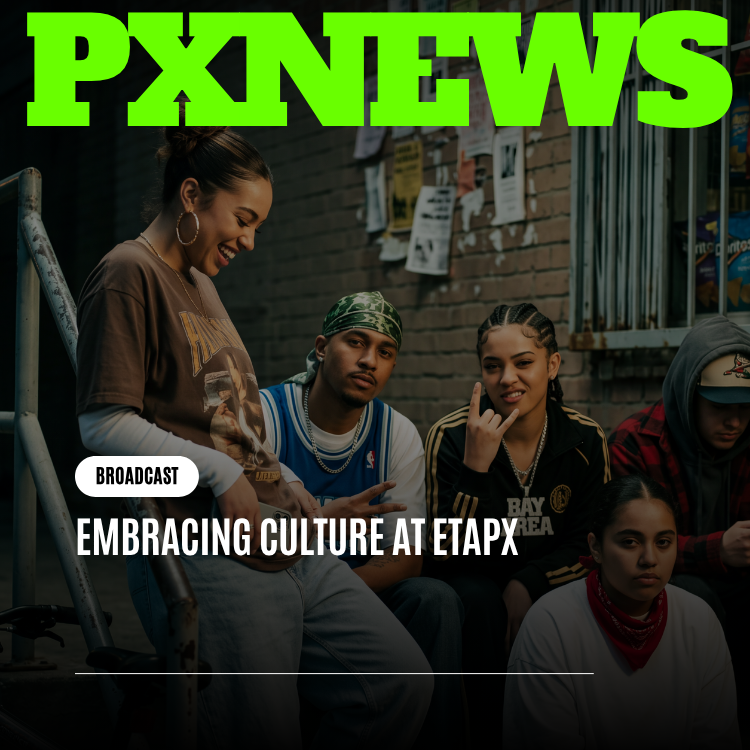
ETAPX builds Whistlr from inside real scenes — music, fashion, humor — instead of designing a neutral pipe and hoping culture fills it later.
There's a certain kind of product roadmap where "culture" shows up as a line item — a workshop, a mood board, a slide titled "Gen Z Insights" with a stock photo of someone laughing at their phone. It gets treated like a feature you can scope, build, and ship, the same way you'd ship a settings page. We think that approach fails almost every time it's tried, and it fails for a specific, structural reason: culture isn't something you add to a platform. It's something a platform either grows from or fails to.
Two very different verbs: embracing versus hosting
It helps to separate two things that look similar from a distance but produce completely different products up close. One is embracing culture: building rooms well enough, with enough of the right affordances, that a scene can define itself inside them on its own terms. The other is hosting culture — or more honestly, extracting it: treating a trend as inventory, something you stock, badge, and eventually clear out once it stops testing well.
You can usually tell which one a platform is doing by its timing. A slang term gets its own push notification three weeks after everyone who actually used it unironically has already moved on — that's extraction, running on a lag that only a large, disconnected company produces. A scene gets a corner of the product that lets it move at its own speed, with nobody deciding from a dashboard when its moment is over — that's embracing, and it doesn't come with a countdown.
Why the lag happens
It's not that companies extracting culture are careless. It's that the process itself is slow by construction: someone notices a trend, it goes into a deck, the deck goes into a planning cycle, the feature ships months later wearing the trend like a costume nobody updated. By the time the badge exists, the culture has already moved three rooms over. Extraction is always structurally late, because it requires noticing culture from the outside and then building a reaction to it — two steps that take time no scene is willing to wait around for.
What building from inside actually requires
Embracing culture instead of extracting it means giving up a certain kind of control. You don't get to decide, from a central product team, exactly what a music scene, a fashion moment, or a specific strain of humor should look like inside the app. You build a space with the right shape — the right tools, the right sense of scale, the right freedom from being flattened into a generic catch-all — and then you let the people actually in that scene fill it in a way no product team could have specified in advance.
That's a harder discipline than it sounds, because the instinct in most product organizations is to standardize. One tab for music. One format for video. One set of categories that makes the dashboard easier to read. Standardizing is efficient, and it's exactly the move that kills culture, because culture doesn't fit neatly into a shared format — it depends on texture, specificity, and the freedom to be weird in ways a general-purpose tab was never built to hold.
Waves: what this looks like when it is built correctly
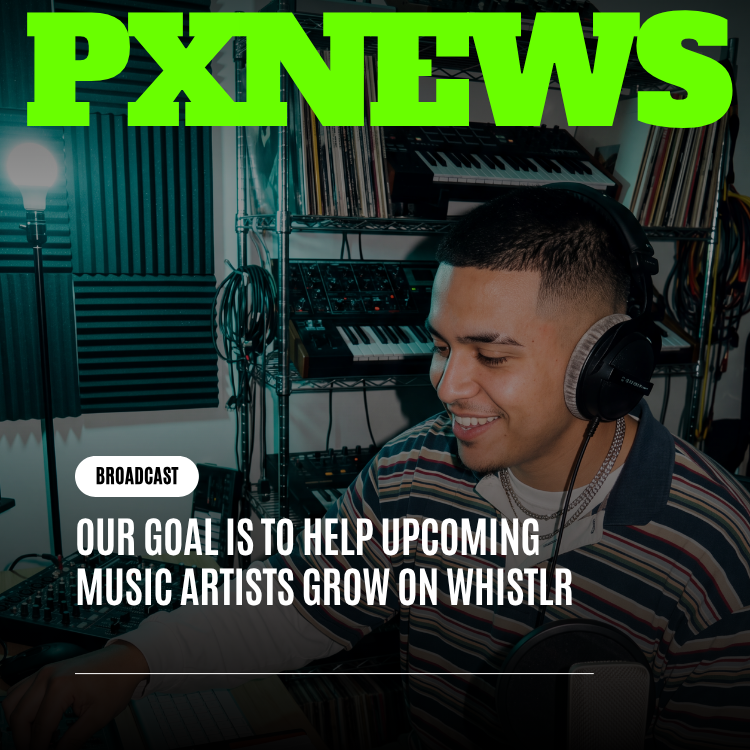
Whistlr's music layer, Waves, is the clearest example of this principle actually shipped as product rather than stated as a value. A regional or niche sound doesn't get folded into one generic "music" tab that treats a drill beat and a lo-fi loop as interchangeable data points to be ranked against each other. It gets room to develop its own gravity in its own corner — its own audience, its own conventions, its own pace — instead of being sorted into a single feed that was designed to be legible to everyone and therefore specific to no one.
That distinction matters more than it sounds. A drill beat and a lo-fi loop aren't competing for the same listener, the same mood, or the same moment — treating them as competitors in one ranked feed doesn't just misunderstand music, it actively prevents either scene from developing on its own terms. Waves is built on the opposite assumption: that a scene needs its own corner to have gravity at all, and that gravity is what culture actually runs on.
- Scenes get their own space to develop, not a slot inside a format built for something else.
- No central team decides when a sound, a look, or a joke has 'peaked' — the scene decides, by whether it's still showing up.
- Tools are built general enough to hold a scene's own rules, not specific enough to impose ours.
- Nothing gets a badge for being trendy. If it's real, it doesn't need one.
Why this connects directly back to streaming
This isn't only a music-layer philosophy — it's the same logic behind how Whistlr treats live streaming generally. A streamer building a specific, particular kind of room — a niche comedy bit, a hyper-local music scene, a very specific corner of fashion commentary — needs a platform that doesn't sand that specificity down into something more broadly palatable just because broad is easier to rank. The moment a platform starts optimizing every stream toward one interchangeable format, it's doing the same flattening to live video that a single generic "music" tab does to sound.
You can tell within a week whether a platform actually gets your scene or just wants a piece of it. One gives you room. The other gives you a hashtag.
— Independent creator, on scene-specific platforms
The long version of the bet
Building a neutral pipe and hoping culture fills it is the faster, cheaper option, and it's tempting for exactly that reason — you ship one format, it works for everyone in some minimal sense, and you move on. But a neutral pipe never produces gravity. It produces content, evenly distributed and specific to nothing, which is a different and much less durable thing than a scene that actually belongs somewhere.
ETAPX's bet with Whistlr is the slower one: that rooms built with enough respect for a scene's own shape will earn something a generic feed never can — people who don't just visit, but actually build the culture there, because the platform gave them room to and then got out of the way.
What extraction actually feels like from inside a scene
If you've spent any time in a genuinely specific corner of the internet — a particular strain of underground music, a hyper-local comedy scene, a fashion micro-trend that only really makes sense to about four thousand people — you already know what it feels like when a big platform "discovers" you. First there's a spike of attention that has nothing to do with why the scene existed in the first place. Then there's a wave of people who showed up for the spike, not the scene, diluting whatever made it specific. Then, usually within a season, the platform moves its attention to the next thing, and the scene is left either flattened into something more generic or pushed back to the corner it came from, except now slightly self-conscious about being there.
That cycle isn't malicious. It's just what happens when a platform's only tool for engaging with culture is amplification — point a spotlight at something, watch the numbers, move the spotlight when the numbers plateau. Amplification without room to actually develop is how you get culture that feels used rather than served.
Building tools instead of building trends
The alternative isn't to ignore what's popular — it's to build tools flexible enough that a scene can use them on its own terms, rather than features narrow enough that they only work for whatever's trending this month. A comment section is a tool. A trending-sounds badge is a trend chaser. The first works whether the scene using it is huge or has four hundred people in it. The second only works while the platform's attention is still pointed at it.
- Build for the scene that's still there in a year, not the one that's peaking this week.
- Give creators primitives — spaces, formats, discovery tools — instead of pre-packaged trend features that expire.
- Let a scene set its own pace instead of syncing it to a content calendar built somewhere else.
- Measure whether a corner of the platform is developing its own internal references and inside jokes — that's the actual signal a scene is taking root, not view counts.
Why this is a long-term bet, not a quarterly one
Embracing culture instead of extracting it is a genuinely harder way to build a product, because it doesn't produce the kind of clean, immediate metric a trend-chasing feature does. You can measure a spike. You can't as easily measure whether a scene actually took root somewhere and is still developing eighteen months later — that shows up more slowly, in retention and in the density of inside references a community builds up over time, not in a single dashboard number you can screenshot for a deck.
That's a real tradeoff, and we'd rather be honest about it than pretend it isn't one. A platform optimizing purely for the next quarter has every incentive to chase trends, because trends are legible and fast. A platform trying to actually earn a scene's trust over years has to be willing to build slower, more general tools and let specific communities take longer to show results. We think that tradeoff is worth making, because the alternative — a platform full of trends that peaked three weeks before the feature that celebrates them ships — isn't actually culture. It's just a very well-organized museum of things that used to matter.
Frequently asked questions
What is Waves on Whistlr?
Waves is Whistlr's music layer. Instead of folding every sound into one generic music tab where a drill beat and a lo-fi loop are ranked against each other, Waves gives regional and niche sounds their own corner to develop. Each scene can build its own audience, conventions, and pace, rather than being sorted into a single feed designed to be legible to everyone.
What is the difference between embracing and extracting culture on a platform?
Embracing culture means building spaces with the right tools and scale so a scene can define itself on its own terms. Extracting culture means treating a trend as inventory that a platform stocks, badges, and clears out once it stops testing well. Extraction is structurally late, because a trend has to be noticed, planned for, and built, often months after the scene has moved on.
How does Whistlr support niche creators and scenes?
Whistlr aims to give scenes their own space rather than flattening them into one interchangeable format. No central team decides when a sound, look, or joke has peaked, tools are built general enough to hold a scene's own rules, and nothing gets a badge for being trendy. The same thinking applies to live streams, such as niche comedy, local music, or fashion commentary rooms.
Why does Whistlr avoid trend-chasing features?
A trend-chasing feature, like a trending-sounds badge, only works while the platform's attention is pointed at it, while a general tool like a comment section works for a scene of any size. ETAPX accepts that this approach is slower to show results, because a scene taking root shows up over time in retention and inside references rather than in a single spike on a dashboard.